


Standing majestically at 5,895 meters (19,341 feet) above sea level, Mount Kilimanjaro represents one of the most accessible yet challenging high-altitude climbs on Earth. This dormant volcano in Tanzania beckons adventurers from around the globe, offering a unique opportunity to climb Mount Kilimanjaro without requiring technical mountaineering skills. Whether you’re an experienced trekker or an ambitious beginner, understanding what it takes to reach Uhuru Peak can transform your dream into a successful summit.
Understanding Mount Kilimanjaro
Mount Kilimanjaro isn’t just a mountain—it’s an ecological wonder showcasing five distinct climate zones. When you climb Mount Kilimanjaro, you journey from tropical rainforest through moorland, alpine desert, and finally to arctic conditions at the summit. This remarkable diversity makes the experience as educational as it is exhilarating.
The mountain features three volcanic cones: Kibo, Mawenzi, and Shira. Uhuru Peak, located on Kibo’s crater rim, serves as the ultimate destination for climbers worldwide. Unlike many famous peaks, Kilimanjaro stands independently as a stratovolcano, creating its own weather patterns and presenting unique challenges to those who attempt to climb Mount Kilimanjaro.
Choosing Your Route to Climb Mount Kilimanjaro
Seven established routes lead to the summit, each offering distinct experiences, difficulty levels, and scenery. Your route selection significantly impacts your success rate and overall experience.
Machame Route (Whiskey Route): The most popular choice for good reason, this six to seven-day trek offers stunning scenery, excellent acclimatization profiles, and a reasonable challenge level. The route approaches from the southwest, traversing the spectacular Shira Plateau before making the final ascent.
Lemosho Route: Considered the most scenic option, Lemosho provides superior acclimatization opportunities over seven to eight days. This route sees fewer crowds initially and merges with Machame near Lava Tower, creating an ideal balance between solitude and safety.
Marangu Route (Coca-Cola Route): The only route offering hut accommodations instead of camping, Marangu attracts climbers seeking more comfort. However, its shorter duration (five to six days) results in lower summit success rates due to inadequate acclimatization time.
Rongai Route: Approaching from the north near the Kenyan border, Rongai experiences less rainfall and provides a gentler gradient. This seven-day trek suits those preferring a quieter, more gradual ascent.
Northern Circuit: The longest route at eight to nine days, offering the highest success rates due to superior acclimatization. This recently established path circles the mountain, providing unparalleled views and solitude.
Physical Preparation: Training to Climb Mount Kilimanjaro
Success on Kilimanjaro depends more on mental determination and proper acclimatization than raw physical fitness. However, adequate preparation significantly enhances your experience and summit chances.
Begin training at least three to four months before your climb. Focus on cardiovascular endurance through hiking, running, cycling, or swimming for 45 to 60 minutes, four to five times weekly. Gradually increase intensity and duration, incorporating elevation gain when possible. Weekend hikes with a weighted backpack (approximately 5 to 7 kilograms) simulate actual trekking conditions.
Strength training targeting legs, core, and back muscles provides the foundation for multiple days of sustained effort. Squats, lunges, planks, and back extensions should feature prominently in your routine. Don’t neglect flexibility work—yoga or regular stretching prevents injuries and aids recovery.
Mental preparation proves equally crucial. Visualize summit night—the cold, darkness, exhaustion, and discomfort. Develop strategies for maintaining motivation when your body wants to quit. The ability to push through discomfort often separates those who summit from those who turn back.
Altitude Acclimatization: The Key to Success
Altitude sickness remains the primary reason climbers fail to summit Kilimanjaro. Understanding and respecting the acclimatization process dramatically improves your chances when you climb Mount Kilimanjaro.
As altitude increases, atmospheric pressure decreases, reducing available oxygen. Your body responds by increasing breathing rate, heart rate, and red blood cell production. This adaptation requires time—rushing the process invites acute mountain sickness (AMS), potentially escalating to life-threatening high-altitude pulmonary edema (HAPE) or high-altitude cerebral edema (HACE).
Select routes offering gradual ascent profiles with built-in acclimatization days. The “climb high, sleep low” principle—ascending to higher altitudes during the day before returning to lower camps—accelerates adaptation. Longer routes consistently achieve higher summit success rates, often exceeding 85 percent compared to 50 to 65 percent on shorter routes.
Recognize AMS symptoms: headache, nausea, dizziness, fatigue, and sleep disturbances. Mild symptoms typically resolve with rest, hydration, and slower ascent. Severe or worsening symptoms require immediate descent—the only reliable treatment for serious altitude illness.
Essential Gear for Your Kilimanjaro Climb
Proper equipment can determine your comfort, safety, and success. Kilimanjaro’s diverse climate zones require versatile gear handling temperatures from 25°C (77°F) in the rainforest to -20°C (-4°F) at the summit.
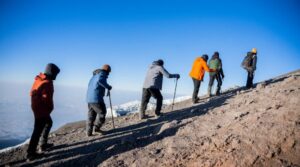
Invest in a quality four-season sleeping bag rated to at least -15°C (5°F). Layered clothing systems provide flexibility: moisture-wicking base layers, insulating mid-layers (fleece or down), and weatherproof outer shells. Don’t underestimate summit night—bring an insulated jacket, warm pants, heavy gloves, and a balaclava.
Footwear requires careful consideration. Broken-in, waterproof hiking boots with ankle support form your foundation. Bring gaiters to prevent rocks and mud from entering boots. Camp shoes or sandals provide essential relief during rest periods.
Trekking poles significantly reduce stress on knees during descents and provide stability on variable terrain. A comfortable daypack (30 to 40 liters) carries daily essentials, while porters transport your main duffel bag (maximum 15 kilograms).
Additional essentials include headlamp with extra batteries, water bottles or hydration system (minimum 3 liters capacity), sunglasses with UV protection, sunscreen (high SPF), and a comprehensive first-aid kit including blister treatment and altitude sickness medication.
The Climb Experience: What to Expect Daily
Days on Kilimanjaro follow predictable rhythms, though each brings unique challenges and rewards. Understanding the typical schedule helps you prepare mentally and physically.
Wake-up calls arrive around 6:30 AM with hot tea or coffee delivered to your tent. After breakfast, porters swiftly dismantle camp while you prepare for the day’s trek. Hiking typically begins by 8:00 AM, following the “pole pole” (slowly, slowly) pace essential for acclimatization.
Trekking days last four to seven hours with regular breaks for snacks, water, and photographs. The landscape transforms dramatically—one day you’re navigating muddy rainforest trails, the next you’re crossing lunar-like alpine deserts beneath towering glaciers.
Arrival at camp brings welcome rest. After lunch, afternoon activities might include short acclimatization hikes. Dinner arrives around 6:30 PM, followed by nightly briefings from guides covering the next day’s plans and health checks.
Summit night shatters this routine. Departing around midnight, climbers begin the six to eight-hour push to Uhuru Peak, ascending approximately 1,200 meters through darkness and extreme cold. This mental and physical test challenges every climber, regardless of fitness level.
Cultural Considerations and Responsible Tourism
Climbing Kilimanjaro provides economic benefits to thousands of Tanzanians working as guides, porters, and support staff. Approaching your climb with cultural sensitivity and environmental awareness ensures positive impacts.
Fair treatment of porters remains critically important. Choose operators adhering to Kilimanjaro Porters Assistance Project (KPAP) standards, ensuring proper wages, equipment, food, and weight limits. Tip generously—these hardworking individuals carry your supplies, set up camps, and prepare meals, making your summit possible.
Environmental stewardship requires leaving no trace. Pack out all waste, use designated toilet facilities, and respect park regulations. Climate change threatens Kilimanjaro’s iconic glaciers, predicted to disappear within decades. Your responsible behavior helps preserve this natural wonder for future generations.
Learn basic Swahili greetings and phrases. Simple efforts to communicate in the local language demonstrate respect and create meaningful connections with your crew and fellow Tanzanians.
Timing Your Climb: Best Seasons
Mount Kilimanjaro can be climbed year-round, but certain periods offer optimal conditions. Understanding seasonal patterns helps you plan when to climb Mount Kilimanjaro for the best experience.
Primary climbing seasons coincide with Tanzania’s drier periods: January through March and June through October. These months provide clearer skies, better visibility, and more predictable weather, though temperatures remain cold at higher elevations.
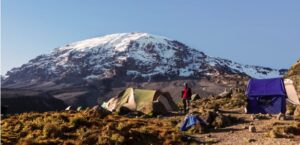
January through March offers warmer temperatures and fewer crowds following the holiday rush. The mountain occasionally receives snow during this period, enhancing scenic beauty. June through October represents peak season with the most stable weather but increased trail traffic, particularly on popular routes.
April, May, and November constitute the rainy seasons. While possible to climb during these months, expect muddy trails, reduced visibility, and higher probability of summit day cancellations due to extreme weather. However, these periods see significantly fewer climbers and operators often offer discounted rates.
Cost Considerations
Climbing Kilimanjaro requires significant financial investment, typically ranging from $2,000 to $6,000 per person depending on route length, group size, and operator standards. Understanding cost components helps you budget appropriately and select reputable companies.
Park fees, guide and porter salaries, equipment, food, and transportation comprise the bulk of expenses. Cheaper operators often cut corners on porter treatment, equipment quality, or safety protocols—false economies that risk your success and safety.
Additional costs include flights to Tanzania, visas, travel insurance covering high-altitude trekking, vaccinations, gear purchases or rentals, tips for guides and porters (budget $250 to $350), and pre- or post-climb accommodation.
Conclusion
The opportunity to climb Mount Kilimanjaro represents a truly remarkable adventure accessible to determined individuals regardless of technical climbing experience. This magnificent mountain challenges you physically while rewarding you with breathtaking landscapes, profound personal growth, and the incomparable satisfaction of standing on Africa’s highest point.
Success requires thorough preparation, appropriate route selection, respect for altitude, quality gear, and mental fortitude. The journey from rainforest to arctic summit compresses a lifetime of landscapes into a single week, creating memories that endure long after you’ve descended.
When you climb Mount Kilimanjaro, you join an international community of adventurers who’ve tested their limits against this iconic peak. The mountain doesn’t guarantee summit success, but with proper planning, training, and determination, you maximize your chances of achieving this bucket-list dream while enjoying every challenging, rewarding step of the journey.
Key Takeaways
- Route Selection Matters: Choose longer routes (7+ days) for better acclimatization and higher summit success rates (85%+)
- “Pole Pole” Philosophy: Slow and steady climbing pace is essential for altitude adaptation and summit success
- Acclimatization is Everything: Altitude sickness causes most summit failures—proper acclimatization through gradual ascent is crucial
- Physical and Mental Preparation: Train 3-4 months in advance focusing on cardiovascular endurance, strength, and mental resilience
- Layered Clothing System: Pack for extreme temperature variations from tropical heat to arctic cold (-20°C at summit)
- Best Climbing Seasons: January-March and June-October offer optimal weather conditions and higher success rates
- Budget Appropriately: Expect $2,000-$6,000 depending on route and operator; don’t compromise on safety and porter welfare
- Hydration is Critical: Drink 3-4 liters of water daily to combat altitude effects and maintain performance
- Environmental Responsibility: Practice Leave No Trace principles to preserve Kilimanjaro for future generations
- Cultural Respect: Treat porters fairly, learn basic Swahili, and choose operators following ethical employment standards
Frequently Asked Questions
How difficult is it to climb Mount Kilimanjaro?
Kilimanjaro requires no technical climbing skills—it’s essentially a very high-altitude trek. However, the altitude, multi-day duration, and summit night’s physical demands make it challenging. Success rates vary from 50-90% depending on route length and preparation. Anyone in good health with proper training can summit.
Do I need previous climbing experience?
No previous mountaineering experience is necessary to climb Mount Kilimanjaro. Basic hiking experience helps, but the mountain is accessible to beginners willing to train adequately. Mental determination often matters more than technical skills.
How long does it take to climb Mount Kilimanjaro?
Most routes take 5-9 days. Shorter routes (5-6 days) have lower success rates due to inadequate acclimatization time. Seven to eight-day routes offer the best balance between time commitment and summit success probability.
What is the success rate for summiting Kilimanjaro?
Overall success rates average 65%, but vary dramatically by route. Longer routes like Northern Circuit or Lemosho achieve 85-95% success rates, while shorter routes like Marangu see 50-65%. Proper acclimatization makes the critical difference.
When is the best time to climb Mount Kilimanjaro?
The best months are during Tanzania’s dry seasons: January-March and June-October. These periods offer clearer weather, better visibility, and more comfortable conditions. June-October is peak season with more crowds but most stable weather.
How much does it cost to climb Mount Kilimanjaro?
Expect to pay $2,000-$6,000 for the climb itself, depending on route, duration, group size, and operator quality. Additional costs include flights ($800-1,500), gear ($300-1,000 if purchasing new), tips ($250-350), and travel insurance. Total budget: $4,000-$9,000.
What level of fitness do I need?
You should be capable of hiking 5-7 hours daily for consecutive days while carrying a daypack. Train for 3-4 months before your climb with cardiovascular exercise, hiking, and strength training. The summit push requires mental toughness more than peak fitness.
Can I climb Kilimanjaro solo?
Park regulations require all climbers to use registered guides. You cannot climb independently, but you can book as a solo traveler and join a group or arrange a private climb with just you and the guide team.
What about altitude sickness?
Altitude sickness affects many climbers regardless of fitness level. Symptoms include headache, nausea, and fatigue. Prevention focuses on gradual ascent, proper hydration (3-4 liters daily), and choosing longer routes. Guides monitor climbers daily and can provide Diamox if needed.
What should I pack for Kilimanjaro?
Essential items include four-season sleeping bag (-15°C rated), layered clothing system, waterproof hiking boots, trekking poles, headlamp, sun protection, 3-liter water capacity, and personal first-aid kit. Most operators provide detailed packing lists and rental options for specialized gear.
How cold does it get on Kilimanjaro?
Temperatures vary by altitude and time of day. Rainforest zones stay around 20-25°C (68-77°F), while summit temperatures range from -10 to -20°C (14 to -4°F) with wind chill potentially reaching -30°C (-22°F). Proper cold-weather gear is essential.
Do I need travel insurance?
Yes, absolutely. Purchase insurance covering high-altitude trekking (up to 6,000 meters), medical evacuation, and trip cancellation. Standard travel insurance often excludes high-altitude activities. Verify coverage specifically mentions Kilimanjaro climbing.